














For phased work or additional materials, retrieve the original specifications and approvals before discussing new supply. HUAGE recommends treating additional orders as a process of re-establishing their link with the original proposal, rather than assuming the same dimensions, joints and colour from a design name alone.
First confirm which version the additional order must match
Link the original order's top layer, core, dimensions, joints and finish with physical samples and installed materials. If changes occurred, identify the final adopted version rather than retaining the first quotation. A shared display name may not explain the full configuration; provide traceable records and the area requiring additional materials when enquiring.
Check replenishment quantities against the actual shortfall and cutting plan. The original materials do not specify a universal wastage rate for every product, so do not add the same percentage mechanically to every reorder. Distinguish planned spare stock from the quantity needed for the current installation so the buyer understands the purpose of additional material rather than combining reserves and shortages into one figure.
Confirm appearance and interfaces separately
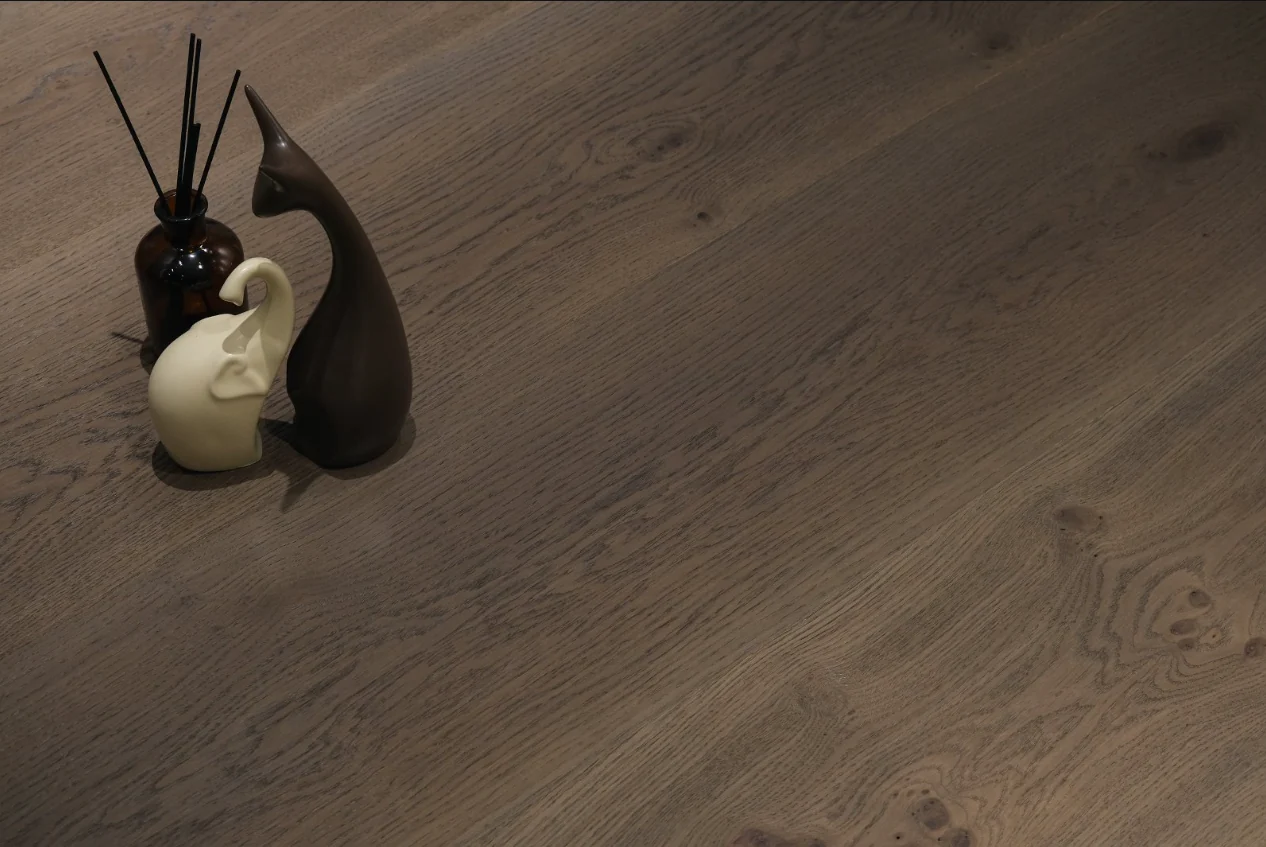
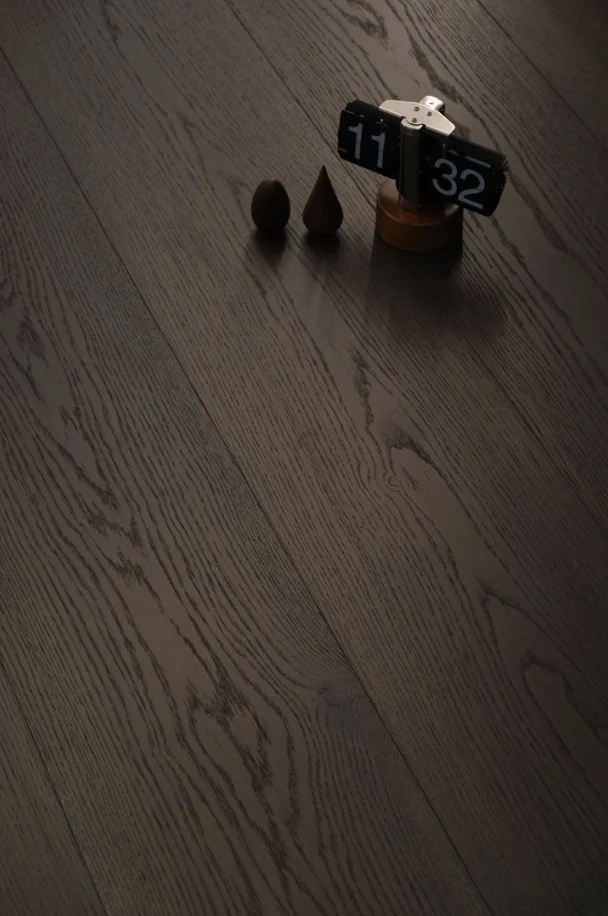
Natural grain, colour and different supply arrangements can produce variation. Even an identical name does not justify promising exactly the same appearance board by board. For additional orders, compare the original samples, installed materials and available new samples to discuss the acceptable range. Photographs assist, but final appearance decisions still depend on physical materials and project agreements.
Interfaces and thickness are important, especially for local replacement or connection to installed flooring. Similar dimensions do not prove compatible joints, click profiles or levels. If the original configuration is unavailable, explain substitute effects on joints, laying and appearance for approval rather than replace from colour similarity alone.
Explain lead times by stage and coordinate site sequence
Approval, supply, transport and site installation of additional materials each have conditions, with timing discussed for the actual project. HUAGE does not derive fixed replenishment days from the catalogue's 'fast delivery' description. UK projects need separate transport and local receiving confirmation, with installation sequences coordinated from approved information rather than setting every milestone to the same day in advance.
After supplementary or staged deliveries arrive, update the schedule, packaging identification and areas of use, retaining the connection with the original order. At handover, owners and managers should be able to distinguish installed materials from spare stock and identify their specifications. Continuous records support accurate replenishment and explain different batches within the same space during future maintenance.