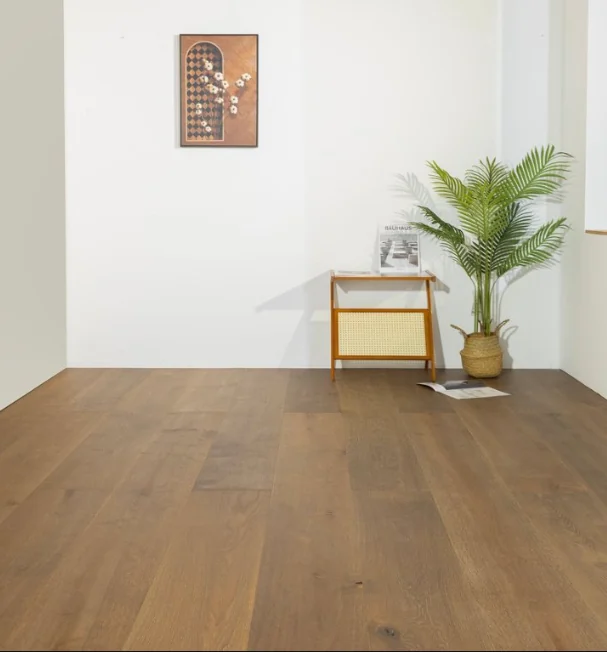















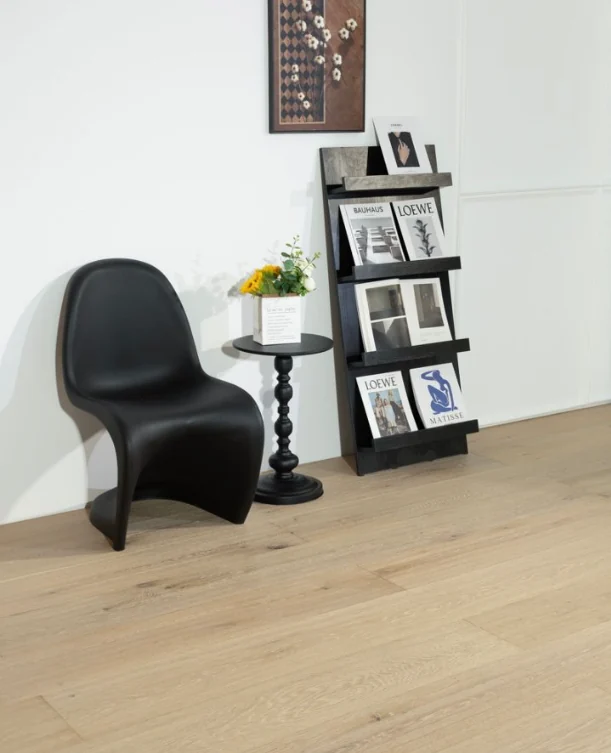
Names on HUAGE product pages are primarily retrieval references from the original product materials, helping locate images, specifications and finish descriptions. For ordering, connect the name with the actual sample, supply specification and version so identical wording does not conceal different configurations.
Names locate records; specifications confirm materials
Original names such as Champs-Élysées, Rebecca and Camilla each correspond to species, dimensions and treatments on their pages. Some products recur in different documents, and similar colours with different specifications also appear. A design name alone does not define the selected dimensions, construction or finish, nor establish current stock.
Project schedules can retain original catalogue names while listing application location, top-layer wood, core construction, overall dimensions, top-layer thickness and finish separately. This preserves design discussion names and gives purchasing and technical checks a defined subject. Mark unconfirmed fields explicitly rather than filling them with parameters from neighbouring designs.
Link samples to their documents
During physical comparison, retain sample numbers, approval dates and photographs with product records. Photographs identify samples, while physical samples reveal colour, grain and feel; neither replaces the other. Identify different tones or dimensions of the same design separately so later correspondence can trace the sample rather than refer vaguely to the previous one.
Original photographs show interior and material relationships in the documents, not the colour-variation range of a particular batch. At sample approval, record accepted grain, knots and colour transitions, then identify parameters governed by formal supply documents. For natural wood especially, one selected close-up should not be the sole appearance standard for all boards.
Keeping versions is clearer than repeated renaming
Keep previous and revised specifications and a change record rather than overwrite the old table. Designers, procurement and contractors should know what changed, the rooms affected and whether the original sample remains valid. Names may continue while configurations change; quotations and order schedules should use the same version.
Website display records provide selection leads rather than present every entry as a stocked formal SKU. Use design names to find information, then identify orders through approved samples and written specifications. Matching name, sample and specification gives arrival and maintenance enquiries a stable reference.