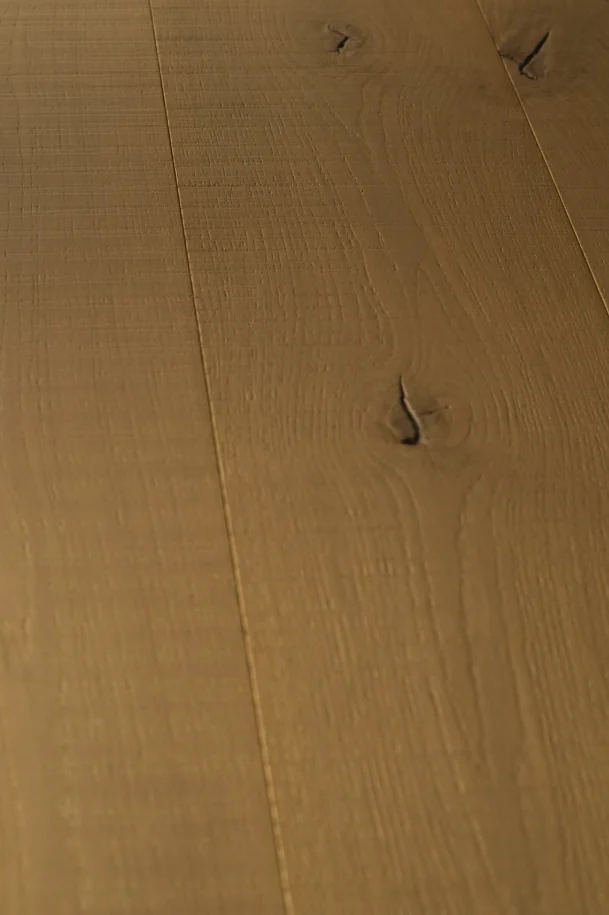















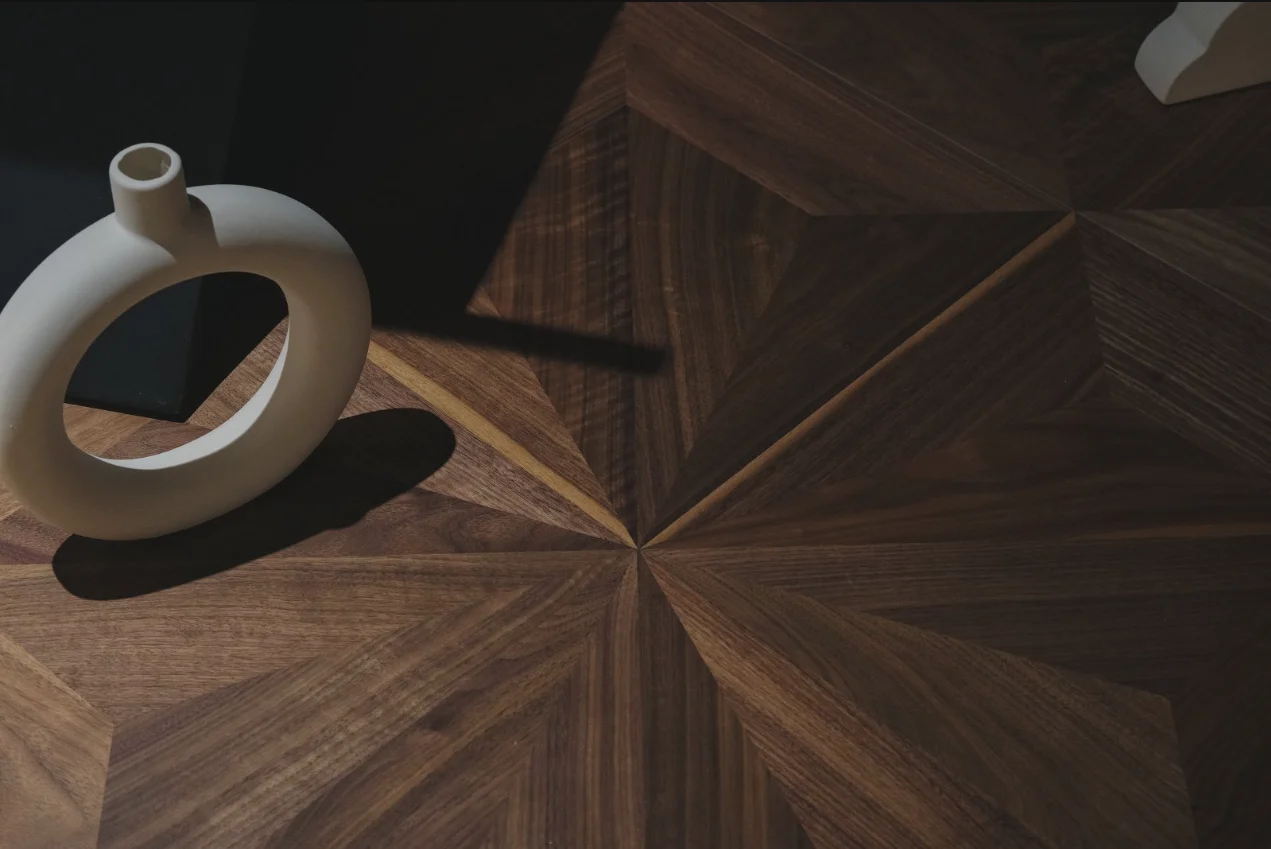
A bespoke brief can start with a wood colour, room proportion or laying composition. HUAGE source materials discuss customisation through material, processing, dimensions and style. Separate the requested changes to form a specific proposal rather than simply request everything bespoke.
First identify which aspect of the requirements has changed
Colour changes, width changes and parquet module changes require different confirmations. Colour involves wood base tones and finishes, dimensions involve formats and layouts, and parquet also requires module compositions and boundaries. State what should remain and what should change so discussions address the variables that truly affect the design.
Specific original products provide comparison references, such as the different rhythms of straight boards and square modules. Custom intentions cannot directly inherit every property of another material. Even when selecting an appearance, check construction, species, thickness and processing separately rather than using one product's parameters as defaults for all custom proposals.
Test the intention with physical materials and drawings
Small samples show colour and feel, while fuller layout references explain proportions. Parquet boundaries or room axes also require drawings rather than decisions from one cropped photograph. Record specific comments at each comparison, such as reducing tonal variation or retaining some grain changes, instead of merely asking for a more premium look.
If material appearance differs from the design intention, reconsider which conditions can change and which require reselection. Natural timber grain is not an evenly repeated printed pattern. Use samples to understand the acceptable range. Sample approval should identify the relevant specification so colour approval is not mistaken for approval of every other condition.
Confirm availability and commercial conditions together
Bespoke proposals also involve quantities, sampling, cost and timing. The available material establishes no universal minimum order or fixed sampling period, so confirm these for the actual scheme. Overseas projects must also consider transport and local installation. Chinese installation arrangements cannot be extended into destination services, and renderings do not replace availability assessment.
HUAGE bespoke discussions turn individual wishes into material and process conditions that can be assessed. Retain sample, drawing and specification versions so design direction, quotation scope and supply descriptions match. Customisation can then express project character within clear approval boundaries supporting ordering and site coordination.