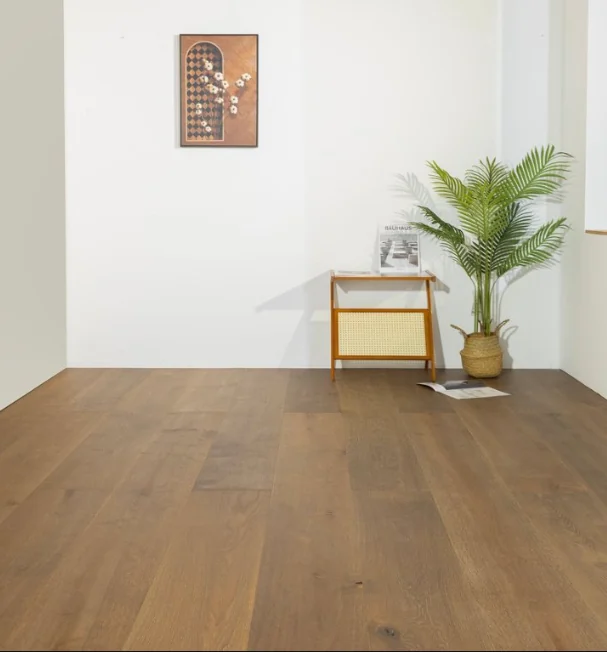















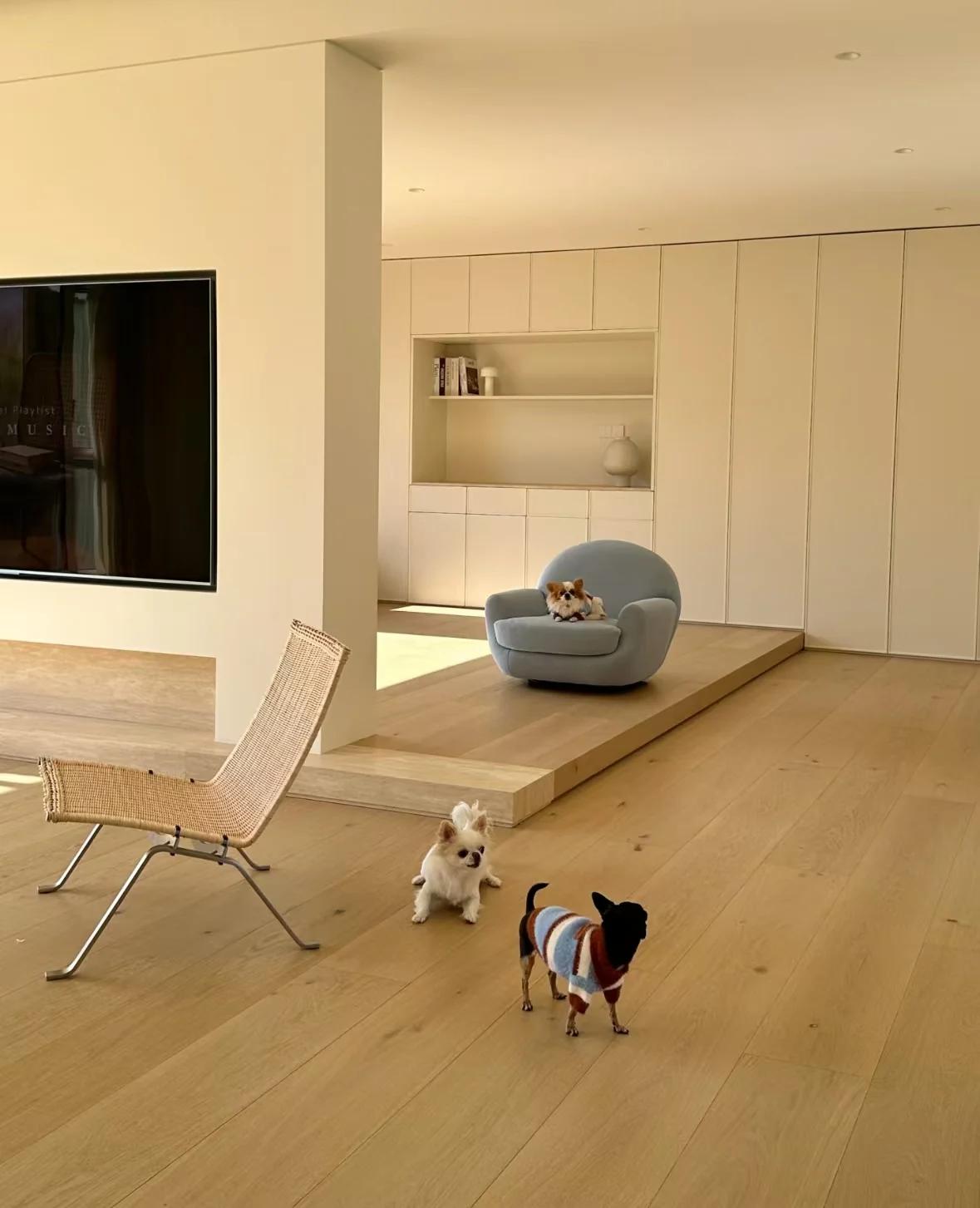
Even with approved samples, arrival appearance must be assessed within the scope of that reference. HUAGE recommends retaining an identifiable set of samples and linking site photographs to specific materials and locations so later participants can accurately review appearance checks.
First confirm exactly what the sample represents
Sample records should identify the product, finish and application, and whether approval concerns a colour direction, grain variation or a representative appearance range. One attractive section does not automatically represent an entire floor. Where a range across several boards is approved, preserve the complete relationship rather than comparing arrival materials only with its most ideal board.
Check that the sample remains the final version. After colour, finish or configuration changes, an earlier sample may serve only as history and cannot remain an execution reference alongside the new one. Approval dates and participants support traceability, but a date alone does not prove all appearance conditions were accepted. Read the actual acceptance scope from records and physical samples.
Record natural features separately from matters requiring review
Knots, grain and tonal differences may be natural, but not every difference is a natural characteristic. For repairs, cracks or other concerns, describe the actual condition against the agreement and request checks. Do not reject solely for knots or ignore real issues because timber is natural.
Site photographs should show the location as a whole, component relationships and necessary details, linked to packaging or legible identifiers. Explain lighting and photographic conditions when comparing with samples rather than declaring a colour difference from images with different exposures. Photographs aid identification and communication; they replace neither physical materials nor establish universal quantity, colour-difference or defect tolerances absent from the original documents.
Keep acceptance comments connected to later conditions
During trial-laying, mark inspected areas, authorised approvers and unresolved boards, noting whether they remain unfixed. Locate boards requiring action and use one identifier for comments and replies. This gives appearance approval more than a verbal agreement and prevents losing the observed material's identity after mixing stock.
After replenishment, replacement or extension of a floor, assess whether the original sample and approvals still apply, and retain the relationship between old and new materials. HUAGE catalogue appearance groups are only a starting point: the specific product, representative samples and project agreement govern the final check. Records make observations reviewable and give natural variation and actual problems clear explanations and response paths.