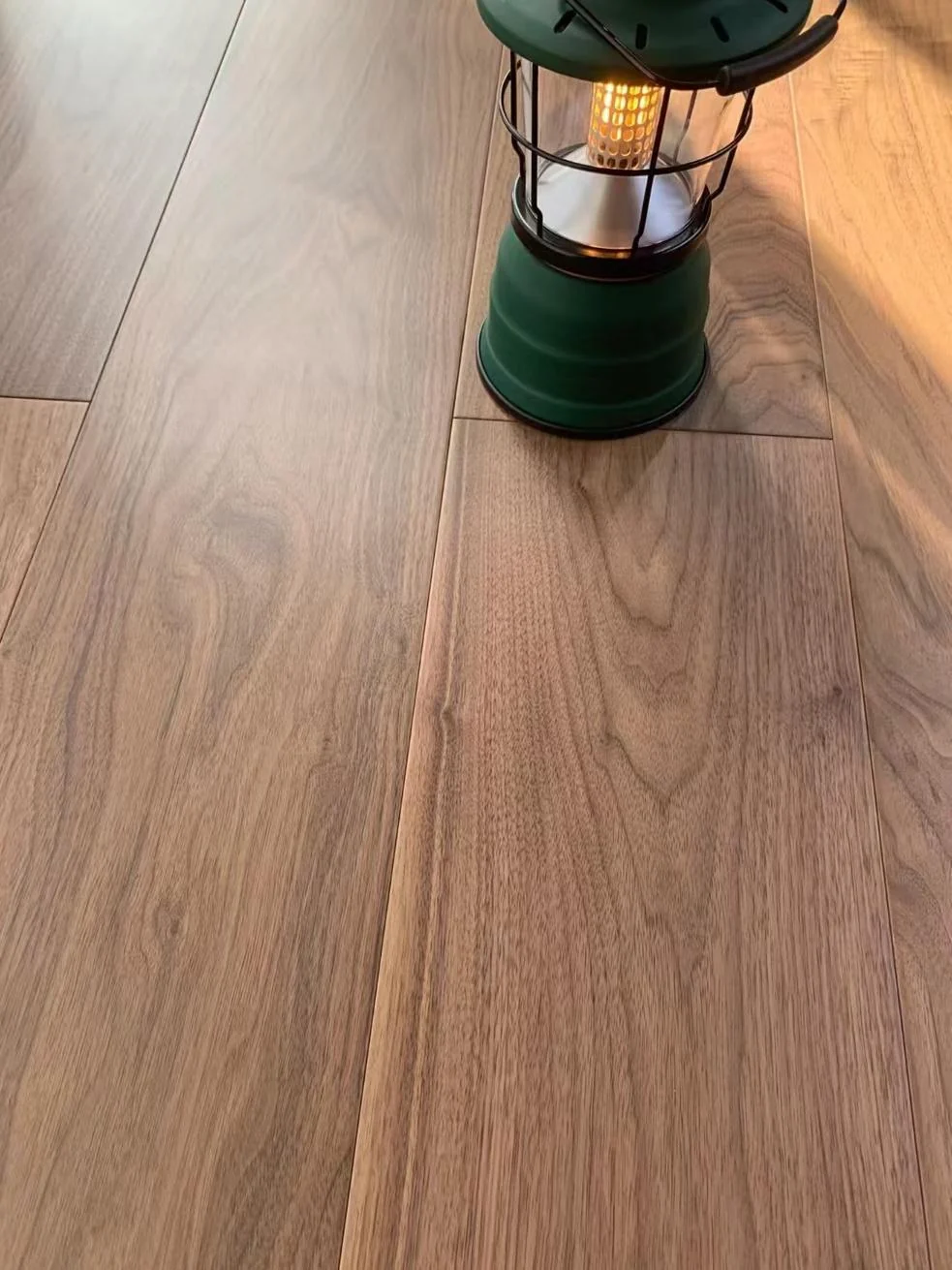















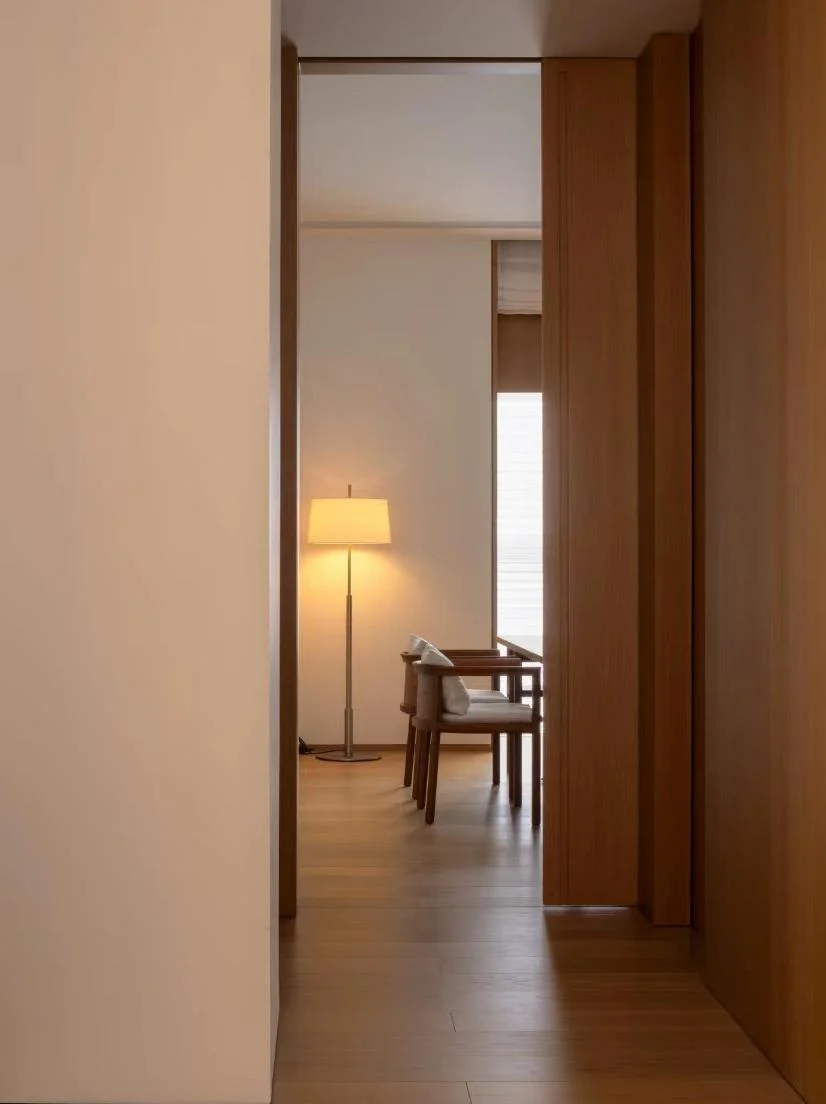
Burmese Teak No. 2, Malashengxia and Shabamengxue are explicitly recorded as solid wood, each with 910×125×18mm dimensions. They provide specific comparison references, but shared construction and dimensions do not remove species, grain or pattern differences or establish current stock.
What the three records establish separately
Burmese Teak No. 2 lists teak; Malashengxia and Shabamengxue list acacia. Geographic/style names locate source records, but actual identity and origins require supply documents rather than inference from commercial names. No botanical name is given for acacia; list precise-species questions separately instead of guessing from Chinese wording.
Shabamengxue includes herringbone references; the other two designs mainly show straight layouts. Solid wood does not dictate one pattern. Compare timber grain and tones, then confirm methods from boards and joints rather than interchange photographs or layout dimensions across one construction group.
Solid wood construction is machined from one piece of natural timber, unlike a timber face over a multi-ply core. Do not copy engineered-flooring top-layer measurements into solid wood records or derive refurbishment counts from an 18mm overall thickness. Edge construction, service condition and care requirements can all affect later treatment; assess the actual product.
Confirm project conditions after selecting the construction
Add room locations, subfloor conditions, finished levels, environment and intended installation methods to project discussions. Original materials list methods such as timber battens to explain options, not replace current technical confirmation. For underfloor heating or unusual humidity in particular, product and installation parties must check suitability rather than universally including or excluding products because they are 'solid wood'.
To compare three designs, record the catalogue name, timber, dimensions, finish and sample number in one schedule, leaving unconfirmed fields for the enquiry. Review several boards together rather than a single perfect grain. If natural colour variation is acceptable, agree its range through representative samples. Photographs help anticipate style, but the agreed sample should define the appearance range of the actual supply.
HUAGE uses historical materials to introduce solid wood selection; confirm current configurations, quantities and transport per project. State UK installation and maintenance responsibilities clearly. Chinese construction and warranty descriptions cannot become UK service terms directly. Relating construction, material and use conditions in one record moves preferred grain towards practical procurement.