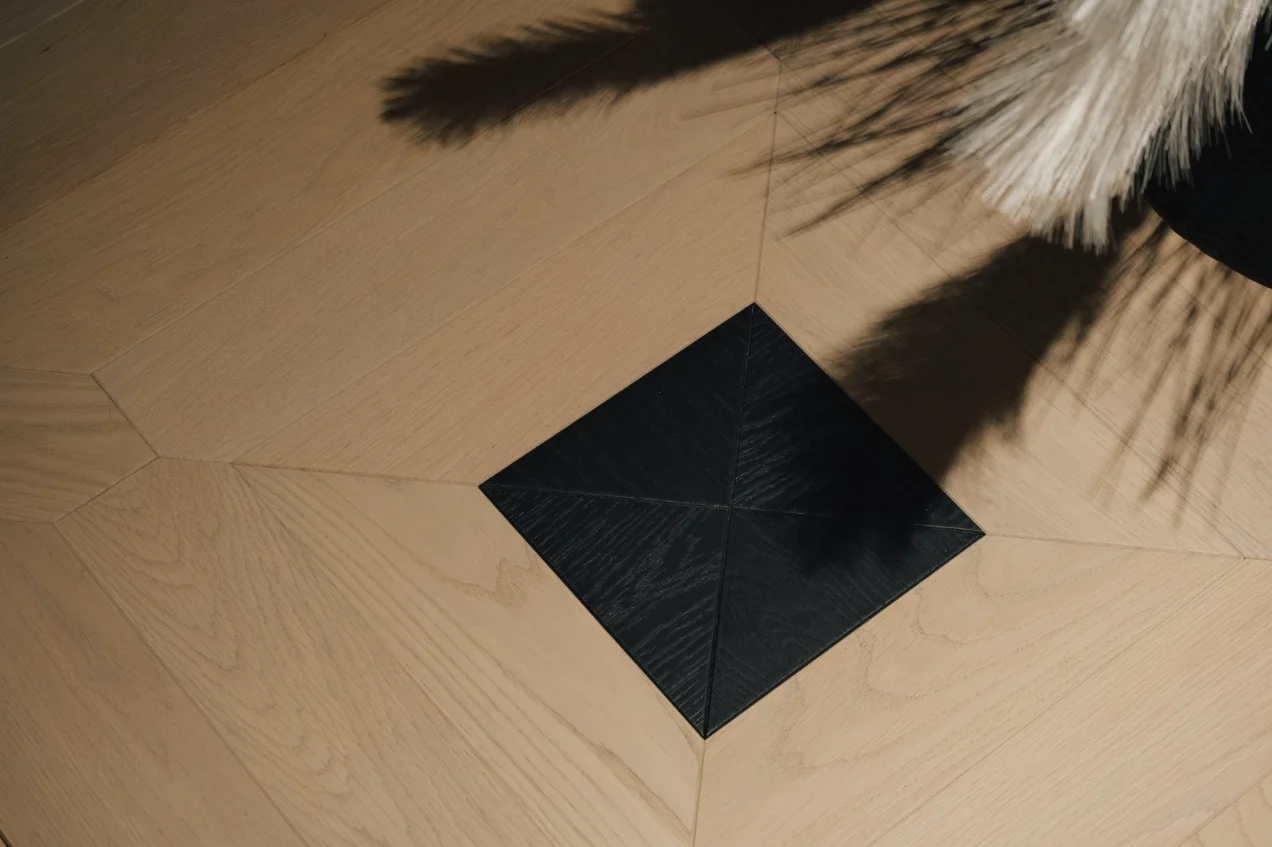
Wood flooring style is not determined by one colour name. Grain, finish, format and layout influence the space together. HUAGE translates style into observable, comparable conditions so design intentions can be discussed through real samples.
Turn style descriptions into observable details
A warm interior may mean a warm wood colour, soft sheen or natural knots and grain. A composed interior might instead depend on darker tones, wide-board proportions or fewer pattern changes. Breaking broad descriptions into features identifies what actually drives selection and prevents different participants imagining different meanings for the same word.
European white oak, oak and black walnut references help compare surfaces, but species does not determine final colour. Processing and light affect appearance, and the same timber can produce different directions. Select from actual product information rather than assume one interior image represents every product of that species.
Board arrangement creates different rhythms
Straight boards create continuous direction; herringbone and chevron create repetition; square parquet highlights modules. Consider room scale, circulation and furniture before choosing visual density. No layout has a universal aesthetic ranking; the pattern should support the overall design and allow clear boundary treatment.
Relate the finish to the specific design
The original catalogue also describes hand-scraping, cross-sanding and brushing for specific designs. Compare feel and sheen physically rather than applying one treatment across the entire range. If the aim is to change tone while retaining feel, state it separately to avoid unintentionally replacing the whole process during discussions.
Complete the selection within the material combination
Flooring shares a space with walls, stone, doors and furniture. Compare related materials together with boards in actual orientations, not isolated samples alone. Agree acceptable natural variation, including knots and strong changes. Catalogue appearance groups explain features rather than establish a universal quality ranking.
HUAGE grounds style in specific materials and processes. Once a direction is chosen, return to construction, dimensions, samples and site conditions to form the configuration. Style language retains design character; product fields govern execution. Clear roles keep quotations and supply directed at the same spatial objective.