HUAGE's China project archive comes from supplied product and case materials, preserving application information and each record's context. Distinguish a source record, a project and a photograph before assessing what they establish about the brand's work.
Retain each source record's provenance
The current website contains eighteen source records of China projects, including different records with the same project name. Each is retained according to its supplied document so original images and text remain identifiable. Same-name records are not automatically merged, and the entry count is not promoted as an equivalent number of distinct completed projects. Document counts and actual project statistics serve different purposes and cannot replace each other.
Read project photographs with their original names, application contexts and sources. The same project in different documents may provide different views or descriptions without increasing the number of distinct references. China records retain their China context on an overseas website; they do not become completed UK or other overseas projects, nor establish local offices or installation capability.
Give timing and public information a clear subject
Some source records state the installation month. This describes the recorded works, not the publication date of a website article. Page compilation or publication information must not change the original project timing, and missing dates should not be invented. Refer to the relevant project explanation rather than infer age or completion from page order alone.
Public records retain material-application information while avoiding unnecessary personal names, detailed door numbers and other private information. Project names and photographs support brand information without publishing full resident details. Specific material discussions must use corresponding product and project documents; a public case is not unrestricted proof of a client's identity.
Images and parameters provide separate kinds of evidence
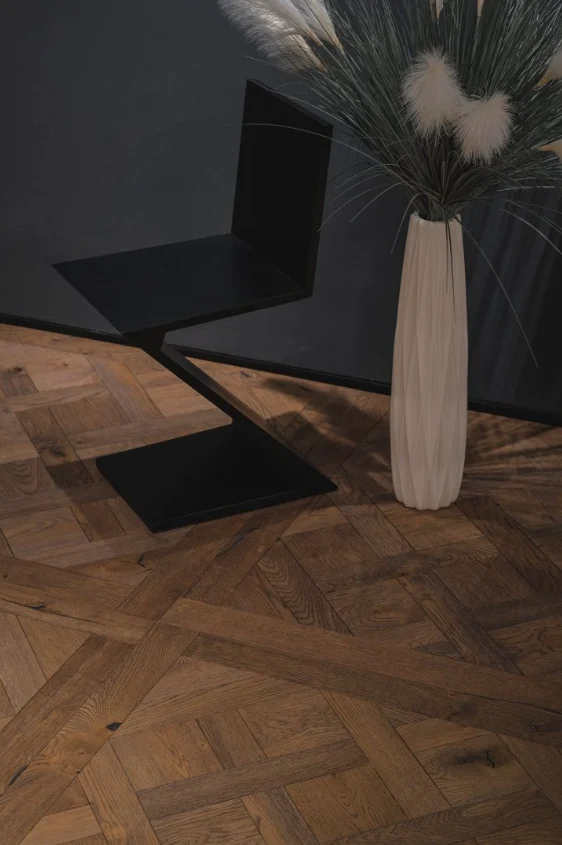
Photographs illustrate flooring, walls or other applications in the original materials. They must not fill in unstated species, construction, dimensions or services. Check whether historical project materials match current candidates; visual resemblance in an archive cannot become a current model, performance or supply commitment.
HUAGE's China project archive presents business records with clear provenance and scope. Distinguish record counts, privacy, installation timing and specifications to maintain reliable references. For actual supply, confirm samples, specifications and services rather than replace procurement and site documents with a public archive.