














HUAGE three-layer engineered wood descriptions identify a solid wood face, solid wood core and veneer balancing layer. The page explains layers without named designs, individual thicknesses or face configurations. Understanding the construction begins selection; the actual proposed product still requires checks.
A description of layers is not a complete specification
Three-layer and multi-ply have distinct layer descriptions; a mistaken English source heading cannot merge them. Read Chinese construction and exploded diagrams together, checking face, core and balancing materials separately. Diagram thickness is illustrative, not measurable product dimensions or permission to insert common industry figures.
Combining solid wood materials still involves joining and processing conditions. Promotional descriptions of materials on the original page cannot be rewritten as glue-free or zero-formaldehyde claims, nor establish stability in every environment. Performance enquiries must relate to the specific product and supporting documents. A construction name describes the material approach; it does not replace product testing or local project requirements.
Which fields should be completed before an enquiry?
A three-layer flooring selection schedule should specify face material, overall length, width and total thickness, top-layer thickness, core and balancing layers, finish and connections. Without approved samples, list these as discussion items rather than copying multi-ply product pages. Projects with underfloor heating or other special systems should also provide site conditions and technical requirements for further checking.
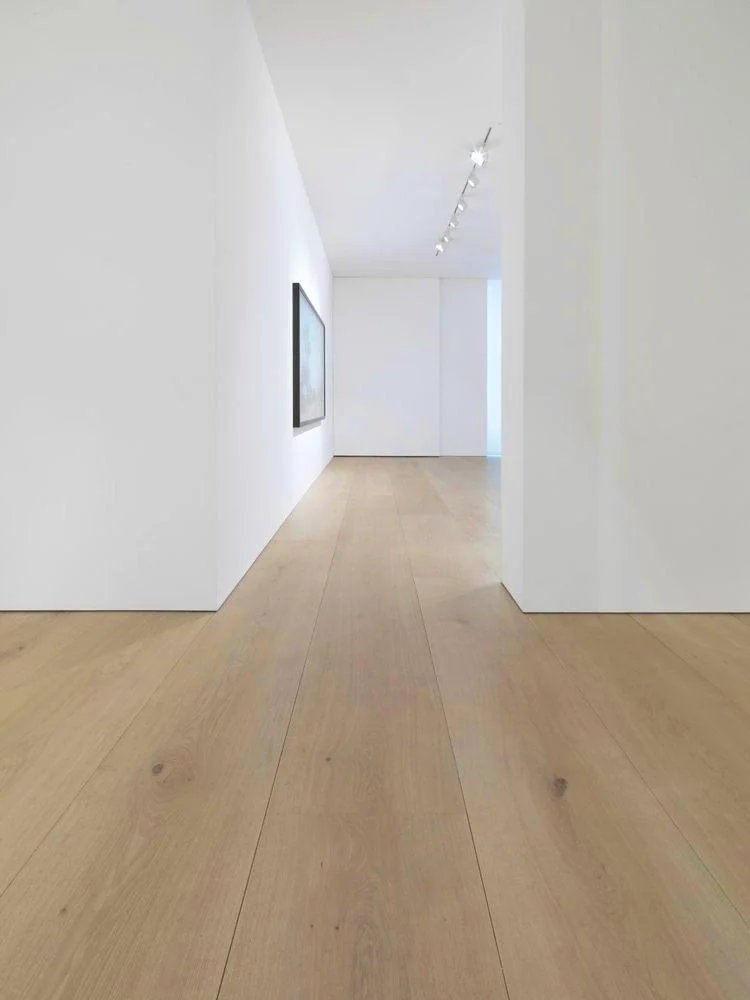
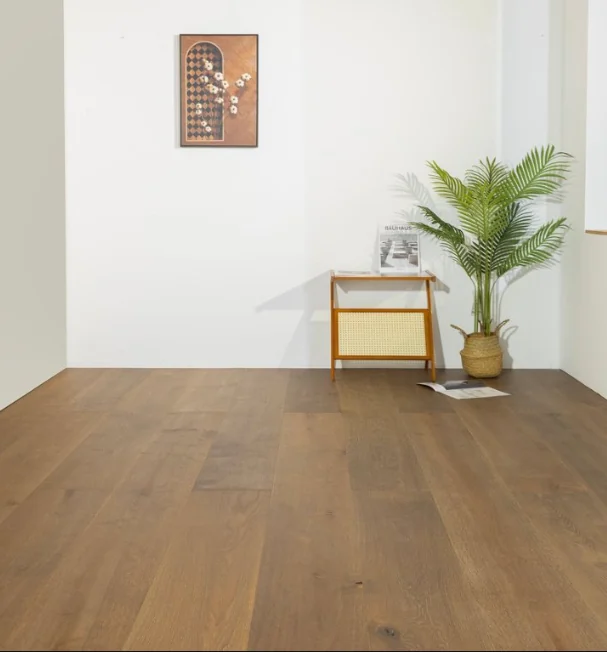
Interior photographs of other wood flooring can illustrate visual intentions, but captions should identify them as colour or application references, rather than using a neighbouring design's photograph as evidence for a specific three-layer engineered wood product. HUAGE retains a construction information entry in the directory to distinguish interest in three-layer construction from selection of a confirmed supply product, avoiding misunderstanding caused by page categories.
How to compare with the existing material proposal
When comparing three-layer and multi-ply options, first align application, colour direction, board format and budget, then examine both actual configurations. Compare full specifications, samples and suitability information rather than rank by layer count. Different constructions may have different dimensions and finishes; align conditions to understand the real differences.
After selecting products, UK projects must still establish supply documents, cross-border transport and local installation interfaces. Original construction explanations provide no stock quantities, nationwide installation coverage or applicable warranty terms, and this article makes no such inference. Turning construction knowledge into clear enquiry questions advances selection while retaining the factual boundaries needed for final project confirmation.