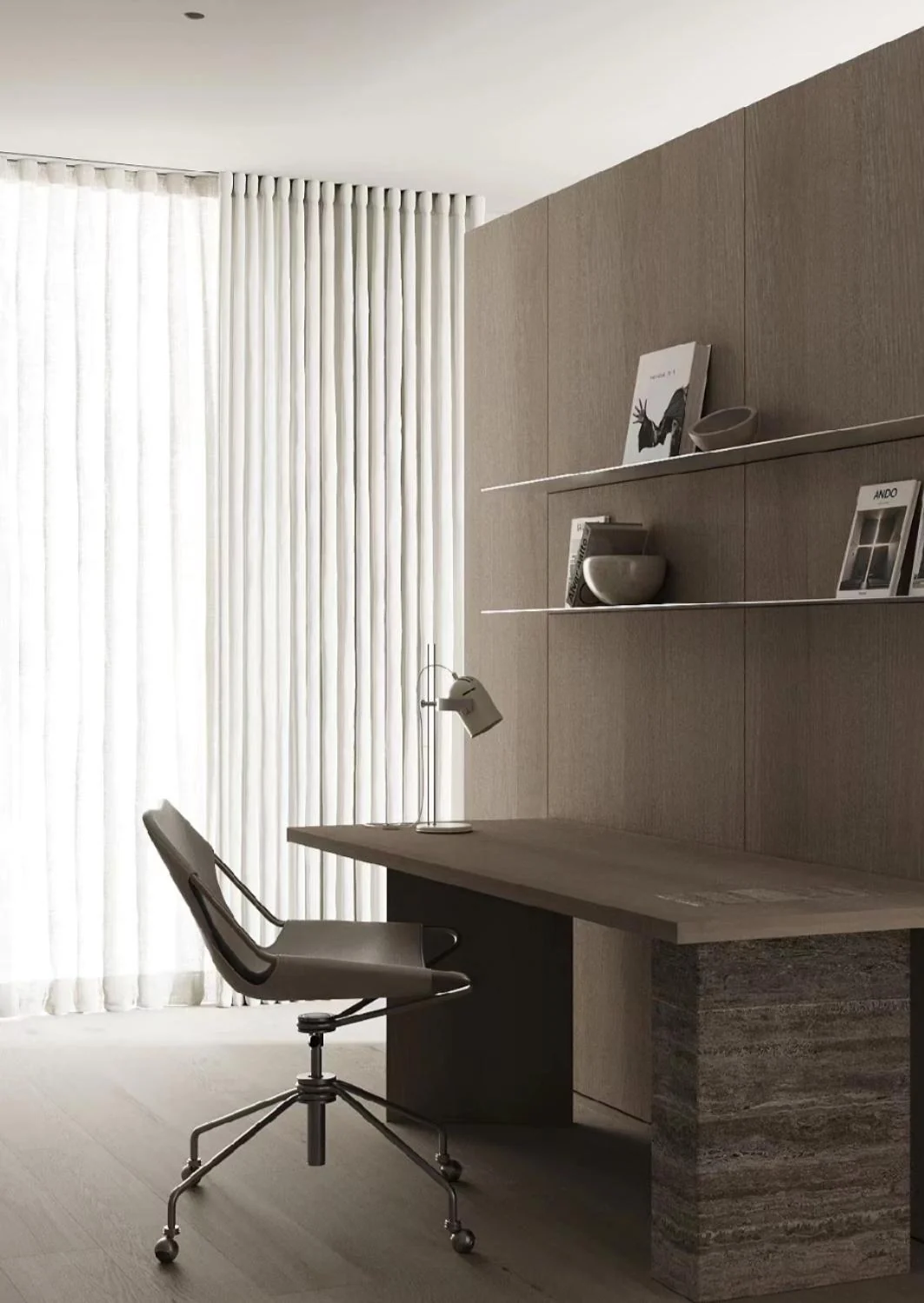















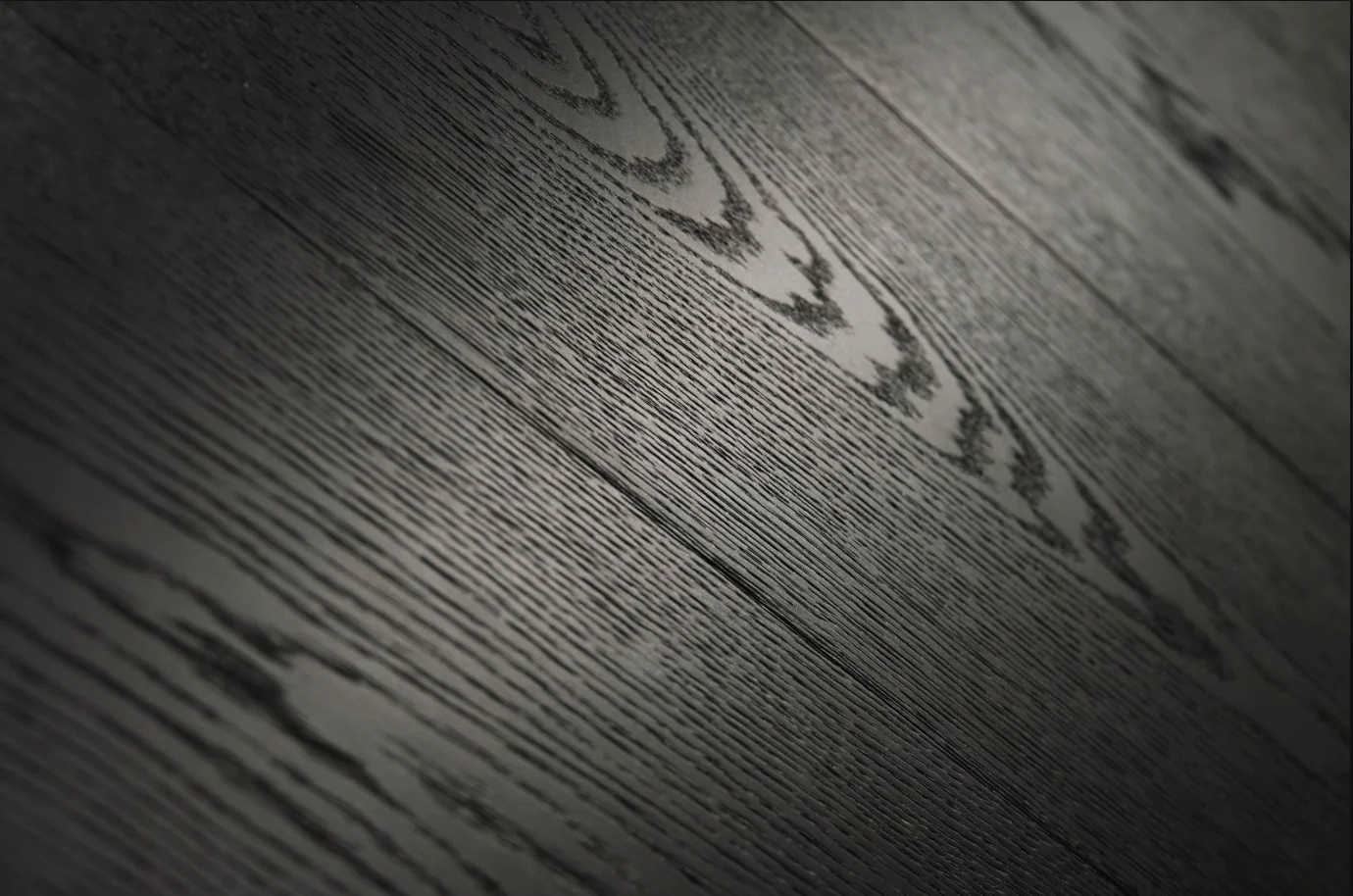
The source describes modern techniques presenting aged-floor textures. This supports vintage appearance requests but establishes no complete reclaimed-timber product record. Old wood consultation therefore begins with style and then confirms actual materials, without inventing age, former buildings or recovery histories for images.
Describe the appearance you prefer precisely
Designers can first describe the tone, surface relief, wood markings and intended relationship with the interior, then compare photographs or samples. These are observable design features, with no need to invent a history for each material. If the preference is warm brown, contrasting tones or a pronounced texture, describe each separately rather than asking the word 'old' to mean colour, species, finish and origin at the same time.
Old-wood texture descriptions in the original materials must not automatically attach to every dark straight board. Photographs help compare atmosphere; construction and finish still follow that product's documents. HUAGE's old-wood topic has no independently named SKU at present. The enquiry page is not a stock list, and inventing a new name must not create an impression of a confirmed product.
Material provenance requires independent evidence
If reclaimed timber is required, state explicit material conditions and check origins, traceability and proposed configuration. Cracks, colour and grain alone prove neither reclaimed status, age, former buildings nor environmental performance. Without documents, retain appearance references rather than upgrade intentions into provenance declarations.
Even if reclaimed material becomes available, confirm species, construction, treatment, dimensions and applications. Provenance and performance are separate: reclaimed status does not prove fire, stability or other compliance. Technical documents must identify the proposed product; a material story cannot replace use-condition checks.
Make consultation topics useful for selection
When submitting intentions, separate 'acceptable appearance' from 'required origin'. For a vintage texture alone, compare supported surfaces and tones in existing materials. If reclaimed identity is essential, establish evidence and supply conditions before developing the design. Both routes are clearer than assuming a photograph proves a material history.
HUAGE's consultation entry supports old-wood style discussions, with current materials, samples and overseas conditions confirmed per project. References prove neither completed UK work nor local UK stock. Distinguishing texture from provenance keeps public descriptions aligned with materials without weakening design intent.