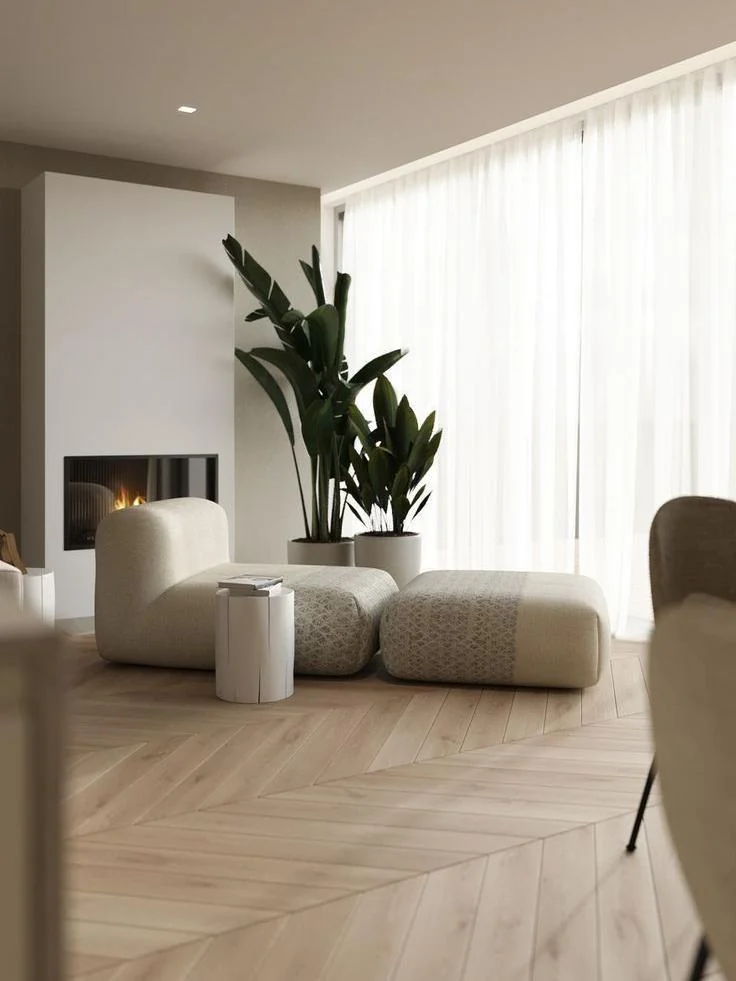















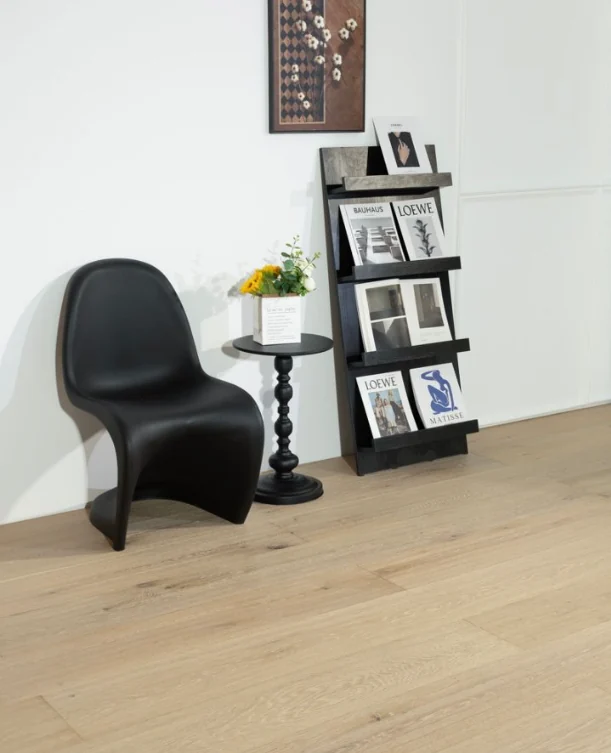
One small sample can establish a direction without showing the full natural variation in wood flooring. HUAGE recommends extending colour approval to several materials under actual lighting, examining grain, tone and knots separately to make expectations for the whole floor more specific.
What small samples and interior images each explain
Small samples reveal actual surface feel and local colour; interior images explain installation direction and overall atmosphere. Neither independently guarantees identical materials board by board. Photography, editing and displays affect images, and wood varies naturally, so one web photograph cannot require every delivered board to reproduce it exactly.
Oak or black walnut catalogue designs may have different colours and processes. Record the actual material, finish and sample identity rather than broad natural-wood or walnut colour labels. Such names cannot describe tonal ranges or support every later batch and replenishment comparison.
Confirm relationships between several materials
Where possible, compare several samples together for tonal distribution, straight and cathedral grain, knots and repairs. State particular naturalness or uniformity requirements before ordering so actual available materials can respond. The website sets no universal colour-difference figure for all products.
Observation conditions should approach daily use. Daylight, warm lighting and neighbouring wall colours change how one floor feels. Consistent lighting is clearer than comparing screen photographs taken in different locations. Site photographs can supplement approval records, but the actual sample and agreed range remain the basis.
Leave another approval opportunity before installation
Original guidance includes opening, trial-laying, colour/appearance adjustment and user approval. Authorised participants should compare site boards against samples; locate, record and discuss visibly unsuitable material first. Identifying issues before installation reduces extra work from adjustments after fixing.
Archive original catalogue names, sample identifiers, supply markings and appearance approvals together. Use them for later batch and variation discussions rather than guaranteeing identical appearance from a shared name alone. HUAGE's appearance guidance establishes practical material communication so natural variation is understood rather than concealed by a claim of 'no colour variation'.