
















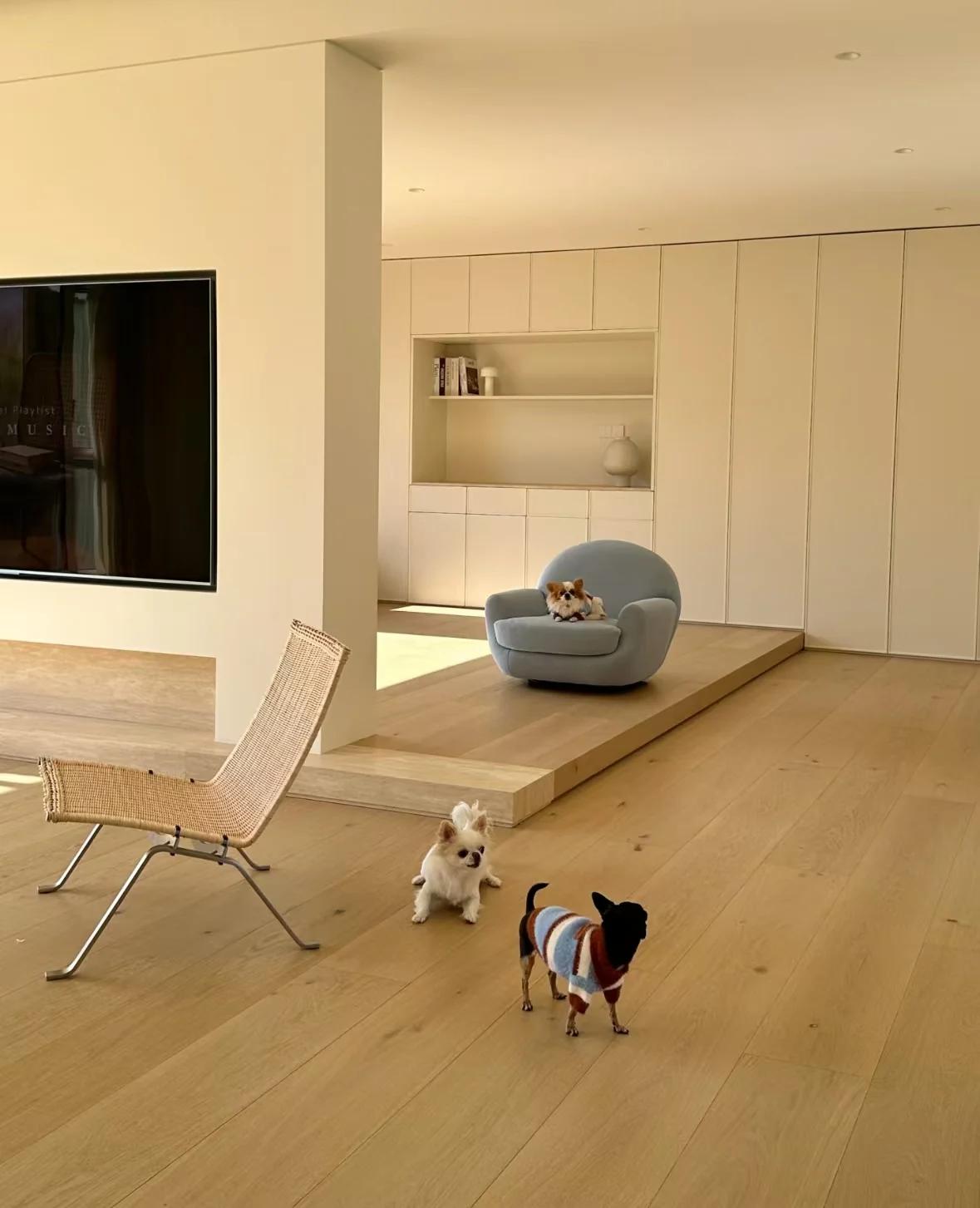
For overseas ABC/ABCD references, ask suppliers to explain the actual board-appearance range and use representative samples as the visual basis. HUAGE catalogue letter groups support appearance discussions, not performance documentation or local project compliance.
First identify the field containing the letter group
The original A3–A15 long-board group states ABCD with knots, while A17–A25 square parquet states ABC with knots. These describe appearance selection in specific product records. Read them with species, finishes and physical materials; one letter combination cannot establish a universal ranking between boards with different constructions and uses.
The original catalogue provides no common knot counts, dimensions or colour-difference limits for every record, so confirm actual acceptance when sampling. Products in other PDFs without the same selection field cannot inherit Catalogue A's ABC or ABCD labels. Link names and parameters in different documents to specific designs before use.
Appearance approval needs to cover a range of board faces
A single sample shows a local appearance, while the complete floor combines many boards. Review the tones, grain, knots and processing marks of several representative boards and assess their rhythm together. Whether the intention is calm consistency or pronounced natural variation, communicate it through combined samples.
For knot approval, record accepted distribution, visual condition and overall effect rather than simply few knots or natural style. Retain mutually agreed sample ranges and descriptions where needed. Images aid identification; physical samples and identifiers preserve consistent colour, surface and appearance requirements.
Check appearance characteristics and use issues separately
Knots and grain are part of board observation; knots alone do not establish a use problem, nor does ‘natural feature’ explain every condition. Check arrival surfaces, connections and board condition against samples and requirements. Discuss deviations or installation-affecting conditions with suppliers and contractors before laying.
HUAGE's catalogue process includes opening, trial-laying, broad colour arrangement and approval before installation. Check overall transitions and direction at this stage rather than see several boards together for the first time after completion. Discuss adjustment areas first and retain approvals to reduce differing interpretations of colour and surface condition.
Environmental performance, construction and abrasion resistance need separate evidence
ABC and ABCD do not describe formaldehyde emissions or establish fire, slip or wear-resistance classes. ENF labels are a separate information type, read through the relevant standard and product documents. List construction, core, top-layer thickness and finish separately; appearance groups cannot replace material and performance descriptions.
Quotations and orders can retain two types of evidence: construction and specification, applicable requirements and supporting documents; and colour, grain, knots and the sample range. HUAGE relates appearance selection to specific designs and sample-layout discussions so that choosing a natural appearance or a calmer board surface becomes a clear project decision, rather than an inference from letter combinations.
Overseas orders should identify the approved sample and appearance range. Compare boards together after arrival and before installation. Keep environmental, performance and specification documents separately from appearance approvals.