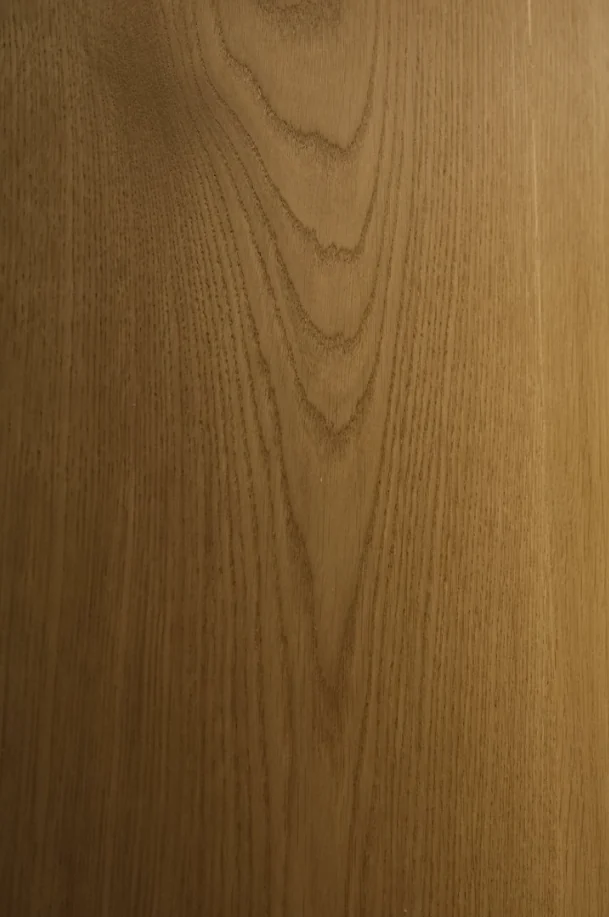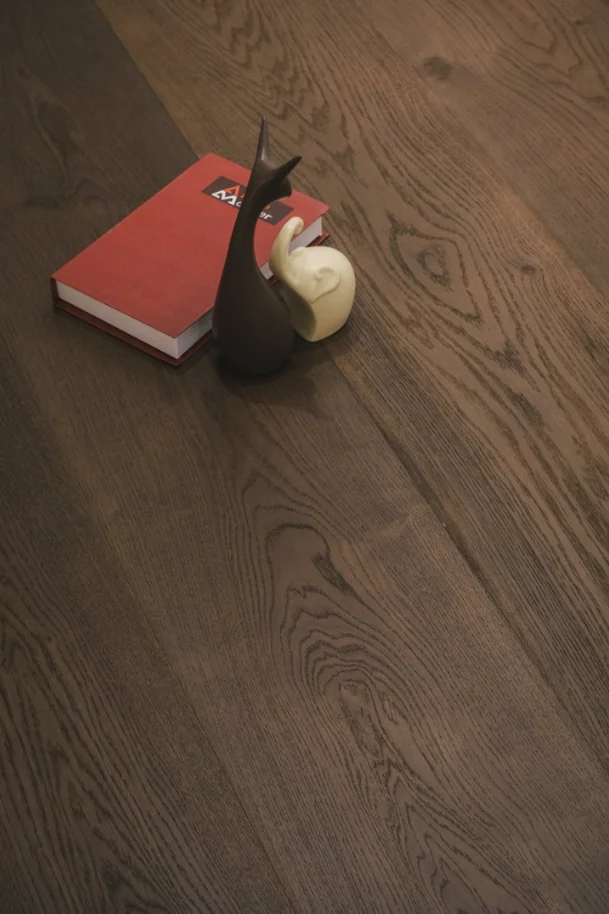
When a sample approaches the design direction but needs adjustment, identify precisely where it differs. HUAGE recommends describing colour, grain, sheen and feel separately and explaining what should remain, so the next discussion addresses specific variables rather than guesses the overall style again.
Start with actual differences and approved conditions
Compare the current sample and target reference in one setting, describing hue, lightness and surface differences. Photographs record comparison locations, but screens do not replace physical material. Identify the relevant part of interior references so suppliers are not asked to reproduce every lighting, furnishing and camera effect.
Natural grain distribution is not an exact copy. If the aim is fewer prominent knots, particular variation or a different overall tone, discuss availability for each separately rather than expecting one vague style term to resolve everything. The original catalogue's appearance groups also have defined scopes; sample adjustments do not automatically redefine a product's standard appearance grade.
When changing colour while retaining the original feel and sheen, state this in the feedback. When changing the finish, establish the implications for appearance and care. Construction, dimensions and top layer remain necessary even while colour is under discussion. Sample identifiers must continue to match specific configurations so successive comparisons concern related physical materials.
Identify revision priorities and retain every version
When proposing several changes at once, state priorities. Confirm the differences with the greatest design impact first, then discuss secondary changes against available proposals. Feedback need not be a complex technical report, but recipients should understand what must change, what remains, and which comments are only suggestions awaiting formal project approval.
Keep sample numbers, dates, feedback and outcomes each round, photographing under similar conditions. Identify the version replaced by final approval and connect specifications with schedules. Old samples may remain process records but must not mix with execution samples used by design, procurement and site teams.
Source materials describe bespoke colour, dimension and process directions; confirm sampling charges, timing and adjustment scope per project. Clear feedback should progressively narrow comparisons rather than multiply candidates indefinitely. Match properties, revisions and approved versions so quotations and supply retain agreed judgements.